How Live Dealer Technology Is Transforming Online Gambling in 2026: A Player's Guide to Real-Time Casino Gaming

I've been watching this corner of the industry for years now, and honestly? Nothing's shaken things up quite like live dealer technology. What started as a niche offering — for players who missed the feel of a physical casino floor — has exploded into the fastest-growing segment of online gambling in 2026. I remember the early webcam feeds. Grainy, laggy, kind of painful to sit through. That's not where we are anymore. Today's live dealer platforms stream in crisp HD and 4K, run on low-latency servers, and put you at a table with an actual human dealer, sometimes sitting thousands of miles away.
What's caught my attention lately is how cross-border play has crept into the conversation. More US-based players are looking north, stacking Canadian-licensed platforms up against whatever's available at home — chasing better game variety, looser licensing structures, sharper streaming. So that's the plan here: how live dealer tech actually works under the hood, why it's reshaping the industry, and what's worth checking before you commit money to a platform. Including the Canadian sites that keep popping up in player forums and comparison threads.
What Is Live Dealer Technology and How Does It Work?
At its core, live dealer gaming swaps the random number generator behind digital blackjack, roulette, and baccarat for an actual human dealer running physical equipment, broadcast straight to your screen. You place bets through a digital interface laid over that live video feed, and the result comes from real cards being dealt, or a real wheel spinning. Not a computer quietly simulating chance somewhere in the background.
The appeal is obvious once you've tried it. There's something reassuring about watching the ball actually drop into a pocket, instead of trusting software you can't see into. It feels closer to standing on a casino floor — minus the travel, minus the dress code.
The Tech Stack Behind the Experience
Behind every smooth live dealer session sits a surprisingly tangled tech stack. Optical character recognition — OCR — reads cards and wheel results the instant they happen, translating them into data your betting interface can process without the dealer lifting a finger beyond running the game. Pair that with independent RNG verification tools for games that use shuffled decks or other randomized elements, and you get fairness checks that still apply even in a human-hosted setup.
Low-latency streaming servers are the other half of this equation. Half a second doesn't sound like much. But in live betting, that's often the gap between placing your wager before the window closes and missing it entirely. The better operators run multi-camera setups now: overhead shots, close-ups on the cards, wide table angles. Switching between them smoothly enough that the broadcast stays functional and, honestly, kind of fun to watch.
Studio Setups vs. Land-Based Casino Feeds
There are two main ways operators pull this off. Purpose-built streaming studios are controlled environments built specifically for broadcast quality — consistent lighting, dedicated camera rigs, dealers trained to perform for the lens almost as much as run the game. Land-based casino feeds go the other direction, broadcasting straight from an actual casino floor. That adds a layer of immersion some players find more convincing. You hear the ambient noise, catch glimpses of other patrons, get a genuine sense of place.
The trade-off? Studio feeds tend to be more reliable and consistent, while floor feeds can run into variable lighting or background distractions. Neither one's objectively better — it comes down to the atmosphere you're chasing.
Why Live Dealer Games Are Reshaping Online Gambling in 2026
A few forces are driving this. First, there's a persistent distrust some players carry toward pure RNG games, even the provably fair ones. There's just a psychological comfort in watching an actual event unfold rather than trusting invisible math you'll never see. Second — and this one's bigger than people give it credit for — the social features have gotten genuinely good. Live chat with dealers, multi-camera angles you can flip between mid-hand, side bets tied to other players at the table. It's turned live dealer sessions into something closer to a shared experience than a solitary one.
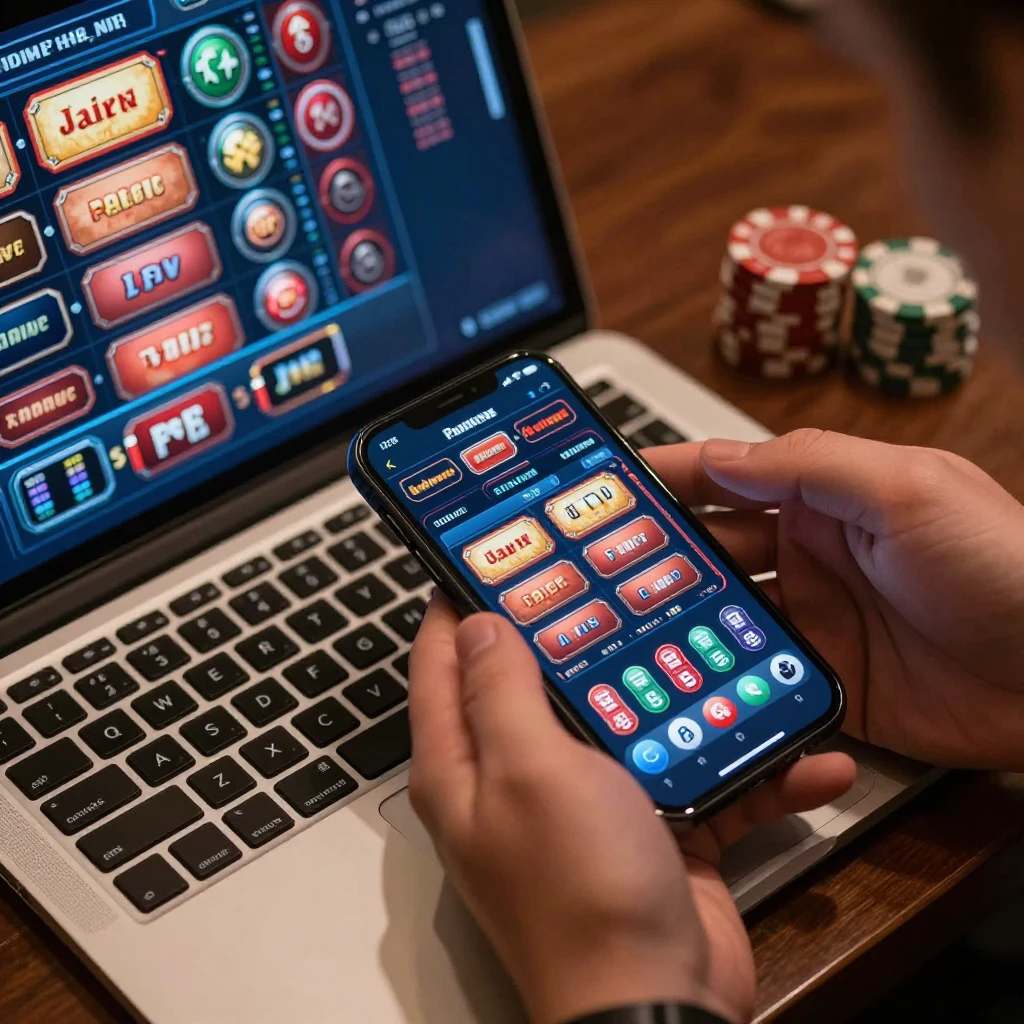
Mobile improvements deserve a mention too. Streaming that once needed a stable desktop connection now runs smoothly on phones. That means players can hop into a live blackjack table on a commute or from a coffee shop without the stream stuttering every few seconds. That kind of accessibility pulled in a whole wave of players who previously stuck to slots or table games with no live component at all.
Evaluating Cross-Border Platforms — A Look at Canadian Live Casinos
This is where things get particularly relevant for American players. US online gambling regulation gets handled state by state, so game selection and licensing can swing wildly depending on where you happen to live. Canada works differently — frameworks like the Kahnawake Gaming Commission, plus various provincial regulators, tend to allow a broader range of international operators and game studios to offer services. That difference shows up as noticeably deeper live dealer libraries on a lot of Canadian platforms: more game show formats, more table limits, and often sharper streaming infrastructure, since these operators are competing head-to-head with European-facing brands.
What to Compare When Evaluating Platforms
If you're sizing up a cross-border platform, a handful of things deserve your attention before you deposit a single dollar. Streaming resolution is the obvious one — 4K feeds look dramatically better than standard HD, especially on bigger screens. Dealer professionalism matters more than people expect, too. A dealer who paces the game well and actually engages with chat makes a real difference in how the whole session feels. Game variety is another big one — look past basic blackjack and roulette toward baccarat variants, game shows, immersive formats. Payout speed and mobile compatibility round out the list, since a flashy stream doesn't mean much if withdrawals take a week or the app chokes on your phone.
For players who want a vetted starting point instead of digging through dozens of operator sites themselves, independent testing roundups like the one from Global News on live casinos Canada offer hands-on comparisons of the top 10 real-dealer sites tested in 2026 — covering streaming quality, game selection, overall player experience. It's a decent shortcut past the research phase, straight to platforms already put through practical testing.
Legal Considerations for US Players Accessing Canadian Sites
This part matters more than people sometimes realize. Accessing Canadian-licensed platforms from the US sits in a legal gray area, and where exactly you land depends on your state's specific gambling laws. Some states have clear restrictions on offshore or cross-border online gambling; others are a lot more ambiguous. Before you commit any money, it's worth taking a few minutes to check your state's current regulations. Due diligence here isn't just a formality — it's what keeps you out of legal headaches down the line.
Streaming Quality and Game Selection — The New Battleground
Competition among live dealer operators has shifted almost entirely onto two fronts: how good the stream looks, and how much variety sits on the lobby page. 4K streaming is quickly becoming the baseline expectation rather than some premium add-on. Multi-language dealer options have expanded too, letting players choose tables hosted in their preferred language instead of defaulting to English-only rooms.
Some operators are piloting VR integration now, letting players step into a more immersive version of the table through a headset — though this is still early-stage and far from widely available. Meanwhile, game-show-style formats — think Crazy Time-style wheel games and immersive roulette variants with multiplier bets — have become some of the most popular live offerings on the market. They blend traditional table gaming with the energy of a live broadcast event, and it's a format that's only getting bigger.
Best Practices for Choosing a Live Dealer Casino
A few habits will save you time and money. Always check the operator's licensing before signing up — a legitimate license from a recognized regulator isn't optional. Read independent reviews rather than leaning solely on the platform's own marketing copy. Test customer support responsiveness early, even with a throwaway question, since slow support usually signals bigger issues waiting down the line. Verify payout speed by checking player forums or review sites for real withdrawal experiences, not just promises on a landing page. And when you're new to a platform, start at low-stakes tables first — assess stream quality and dealer pacing before putting a larger bankroll on the line.
Common Mistakes Players Make with Live Dealer Gaming
I've seen — and made — a few of these myself. Ignoring latency and lag issues is a common one. If a stream keeps stuttering, that's going to mess with your ability to place timely bets, and it's worth switching tables or platforms over rather than just pushing through it. Underestimating dealer-to-player ratio limits is another one. Popular tables fill up fast, and you can end up stuck in a queue during peak hours.
- Overlooking currency conversion fees on cross-border sites, which can quietly eat into winnings over time
- Failing to verify that responsible gambling tools — deposit limits, self-exclusion options, session reminders — are actually available before signing up
- Jumping straight to high-stakes tables without testing stream quality first
Live dealer technology has genuinely redefined what real-time casino gaming feels like in 2026, blending the authenticity of a physical table with the convenience of playing from wherever you happen to be. Whether you're sticking to domestic platforms or exploring cross-border options, careful comparison — checking licensing, streaming quality, game variety, payout reliability — is what separates a frustrating experience from a genuinely great one. Take the time to actually research your options, lean on independent testing when it's available, and put security and compliance ahead of flashy promotions. Always.