The Impact of AI and Avatars on the Future of Live Entertainment
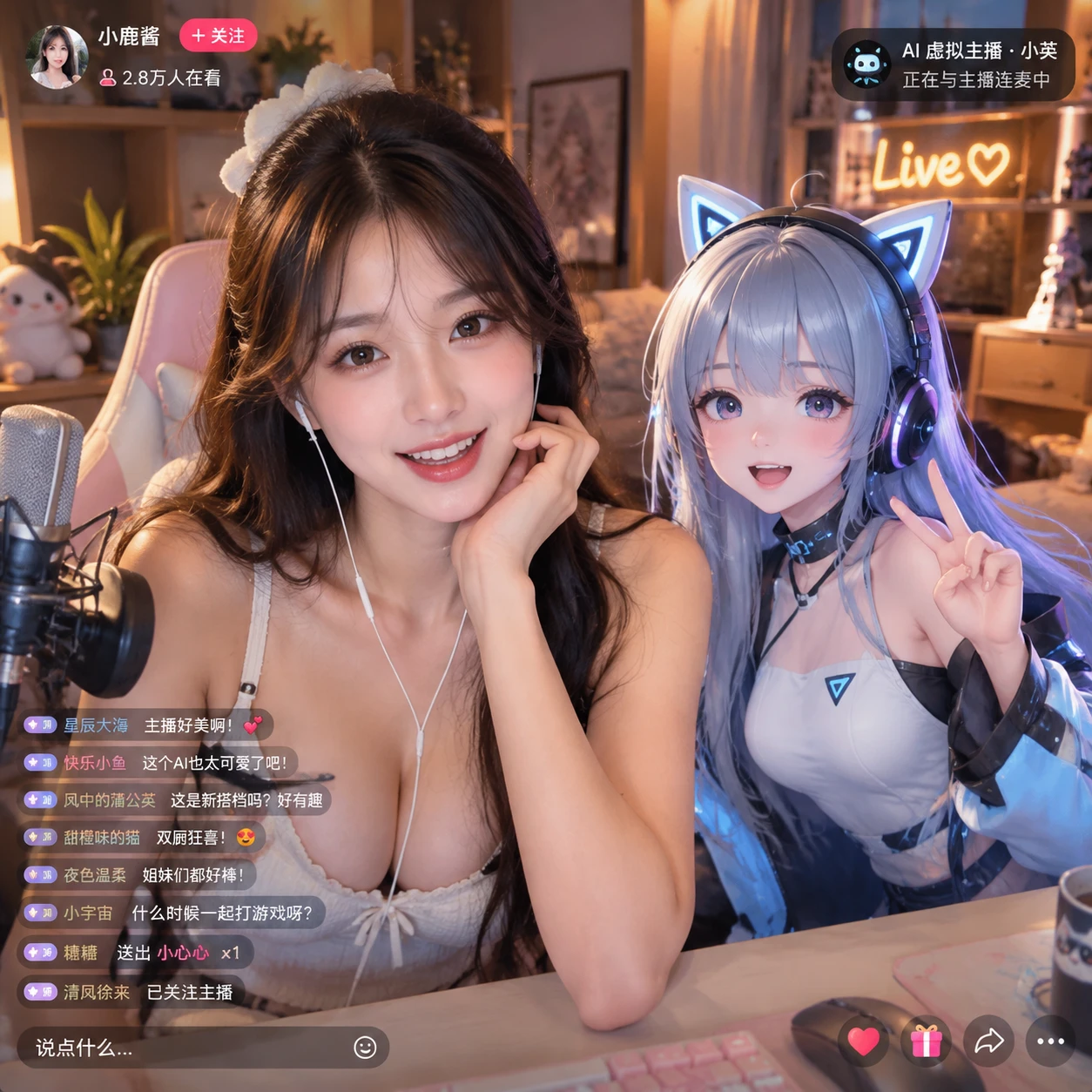
Live entertainment has always depended on a sense of presence: a performer responds, an audience reacts, and the moment unfolds in real time. Artificial intelligence (AI) and digital avatars are adding new options to that exchange, especially on live cam platforms, where chat and viewer participation already shape each session.
These tools could help make interactions more responsive and creative, but they also raise practical questions. Who is speaking when an avatar replies? What audience data is used to personalize a show? The future of live cam entertainment will depend on how platforms and performers answer those questions as carefully as they adopt the technology.
How AI and avatars are entering live entertainment
AI and digital avatars are entering live entertainment through tools that can interpret audience input, support performance, or create a virtual on-screen presence. On live cam platforms, they may add interactive features while keeping the performer and audience connected in real time.
A digital avatar is a visual character that can represent a performer, a fictional persona, or an AI-driven presence. It might be animated live, controlled by a performer, or generated and voiced with software. AI can also help sort chat messages, suggest responses, translate text, or power a clearly labeled virtual character. These are distinct uses, and a platform should not imply that every avatar is autonomous or that every AI response is generated without human direction.
Live cam entertainment is a particularly natural setting for experimentation because interaction is central to the format. Viewers can send messages, make requests, and influence the pace or theme of a session. AI could help manage busy chats or surface relevant questions, while an avatar could provide a visual identity for a performer who wants to appear as a fantasy character rather than on camera as themselves.
However, the technology has limits. AI may misread sarcasm, context, or boundaries, and live graphics can lag or fail. These systems are best understood as production and interaction tools, not as proof that a performance is fully automated or more engaging by default.
New ways to personalize live cam interactions
AI could personalize live cam interactions by helping performers respond to audience preferences, language, and participation in the moment. Used with care, it can reduce routine work and make a session feel more relevant without taking the performer out of the conversation.
For example, an AI-assisted chat tool might group incoming messages by topic, highlight questions that have not been answered, or translate viewer comments for a multilingual performer. A performer could choose a theme based on voluntary audience polls, then use the tool to keep track of requests while staying focused on the camera. Personalization may also include adjustable captions, interface settings, or character styles that viewers can select.
The useful distinction is between supporting attention and simulating intimacy. Sorting chat can help a performer notice more people. A system that uses private conversations or behavioral profiles to imitate a personal relationship creates a different risk, especially if viewers do not know how their information is being used.
Practical safeguards matter. Platforms should explain what data personalization uses, offer controls where possible, and avoid treating sensitive details as material for automated replies. Performers should be able to review suggested messages before they are sent. AI can help with speed, but the human performer should retain control over tone, boundaries, and the final response.
Human performers and virtual avatars: working together
Human performers and virtual avatars can work together when the avatar extends a performer’s creative choices rather than concealing who or what is behind the interaction. The performer can guide the character, while the avatar adds a visual persona, animation, or fictional setting.
One approach is performer-controlled motion: facial expressions, gestures, or voice drive an avatar in real time. Another is a hybrid format in which the performer appears on camera while a digital character reacts alongside them. A performer might also use an avatar as their sole visual presence, while speaking and responding directly to viewers. In each case, disclosure helps the audience understand the format.
This collaboration can widen creative options. A performer can switch between a personal presentation and a stylized character, or use visual effects to tell a story that would be difficult to stage in a small studio. The avatar may also support privacy by allowing someone to avoid showing their face, though voice, background details, and account information can still identify them.
The trade-off is that an avatar can introduce distance. Motion tracking may feel unnatural, expressions can appear out of sync, and an AI character may respond in ways that do not match the performer’s intentions. The strongest format is often one where audiences can tell when a human is present and where the performer can interrupt, correct, or disable the system.
Benefits for performers and audiences
AI and avatars can offer performers and audiences more creative control, accessible features, and flexible ways to take part in live entertainment. Their value depends on whether they make a session easier to join and more expressive, rather than adding friction or confusion.
For performers, AI-assisted moderation may help manage fast-moving chat, while translation and captioning can make a show easier to follow across languages and hearing needs. Avatars can support character-based performances, protect some aspects of a performer’s appearance, or create a consistent visual identity across sessions. They may also lower certain production barriers, though high-quality animation and reliable streaming can still require equipment, time, and technical skill.
Viewers may benefit from more ways to participate: choosing a character’s visual theme, voting on a session’s direction, or using captions and translated chat. These features can make audience engagement more accessible, but they cannot guarantee a stronger connection. Some viewers prefer the simplicity of a direct conversation with a person, and that preference should remain easy to choose.
A useful test for any feature is whether it improves one of three things: access (who can join), agency (who controls the experience), or creative range (what the performer can express). If it improves none of them, it may be novelty rather than a meaningful upgrade.
Challenges around trust, privacy, and authenticity
Trust in AI-enhanced live cam entertainment depends on clear consent, careful data handling, and honest disclosure about when an avatar or automated system is involved. Viewers and performers need to know what is recorded, what is generated, and who controls the interaction.
Consent should cover more than turning a feature on. Performers need control over their likeness, voice, motion data, and recorded material, including whether those assets can train or operate an AI system. A platform should explain how long data is stored, who can access it, and how a performer can withdraw permission. Viewers also need clear notice if their messages or preferences are used to personalize future sessions.
Authenticity is another concern. An avatar can be a legitimate performance choice, but an undisclosed AI persona may mislead viewers who believe they are speaking with a human in real time. Platforms can reduce confusion by labeling AI-generated or automated responses, distinguishing performer-led sessions from virtual-only shows, and making moderation policies easy to find.
- For performers: check permissions for face, voice, motion capture, and recordings before enabling an AI or avatar feature.
- For viewers: review privacy settings and avoid sharing identifying or sensitive information in chat.
- For platforms: provide visible disclosures, data controls, and a way to report impersonation or unwanted synthetic content.
Convenience can come at a cost: more personalization may require more data, and more automation may make a conversation feel less spontaneous. Clear choices and limits help users decide whether that trade-off suits them.
What the future could look like
The future of AI and avatars in live cam entertainment is likely to be a mix of performer-led shows, optional virtual presentation, and AI tools that assist with practical tasks. Which formats become common will depend on audience demand, platform design, reliability, and protections for people whose data and likenesses are involved.
In the near term, support features such as captions, translation, chat organization, and moderation are more grounded than claims of fully autonomous virtual performers delivering the same connection as a human. More sophisticated avatars may appear in interactive shows, but their quality and responsiveness will vary with equipment, software, and network conditions. Viewers should expect experimentation, not a guaranteed transformation of every session.
For platforms, a sensible rollout starts with clear labeling and limited, reversible features. Test a tool with performers who choose to participate, ask whether it improves interaction, and provide a straightforward way to disable it. For performers, the key questions are practical: Does the tool protect my boundaries? Can I control the character and data? Does it help me create a show I actually want to host?
AI and digital avatars can expand what live entertainment looks and feels like, but human agency remains central. When performers control their likeness, viewers understand the format, and personalization respects privacy, technology can add new creative possibilities without pretending that a responsive system is automatically a human connection.
Frequently asked questions
How could AI change live cam entertainment?
AI could help with chat sorting, translation, captions, moderation, and optional personalization. These tools may give performers more time to focus on live interaction, although inaccurate suggestions and data-use concerns require human oversight.
Can avatars create a more interactive viewing experience?
Yes. Avatars can respond visually to performer movement, support character-based shows, or give viewers choices about a session’s look and direction. Their impact depends on responsive design and clear communication about whether a human is controlling the experience.
Will AI replace human live performers?
AI may enable virtual-only formats, but it does not automatically reproduce human judgment, spontaneity, or connection. Many live cam experiences will likely use AI as a support tool or creative layer alongside performers.
What privacy issues should viewers and performers consider?
Performers should check how platforms use their likeness, voice, recordings, and motion data. Viewers should understand whether chat or preferences are stored or used for personalization, and both groups should avoid sharing information they do not want retained.