The Psychology Behind Viewer Interactions: Why People Donate and Subscribe
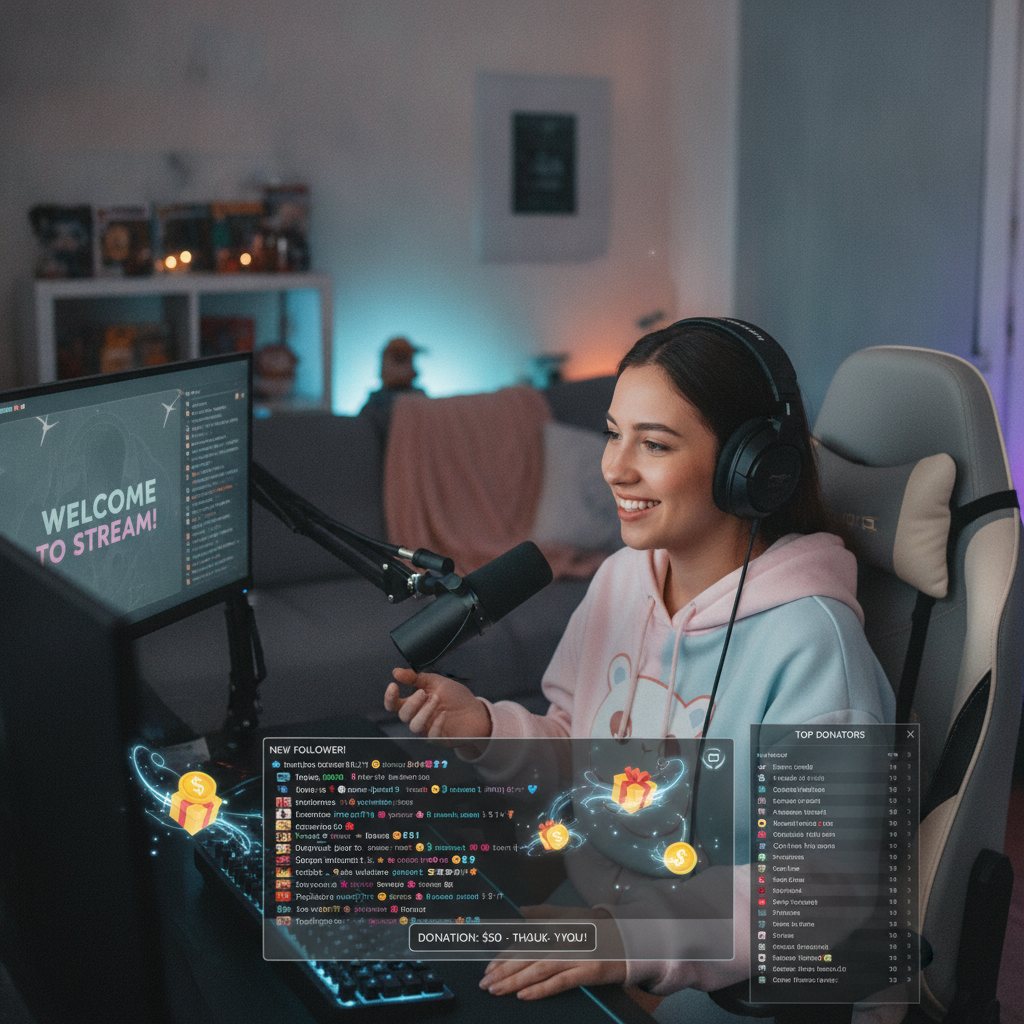
Viewer spending on a live cam site rarely comes from one motive. A donation may express appreciation after an entertaining moment, while a subscription can reflect routine, loyalty, curiosity, or a desire to participate in a community. The common thread is viewer engagement: people respond more strongly when content feels immediate, interactive, and personally acknowledged.
Understanding these motivations helps creators build sustainable businesses without treating viewers as wallets. It also helps audiences make informed choices about tipping, paid subscriptions, premium content, and the boundaries of parasocial relationships.
Why Live Interaction Feels More Personal
Live interaction feels more personal because real-time chat, direct responses, and visible creator reactions create a stronger sense of presence than passive viewing. A viewer is not simply watching a finished video; they are observing an unfolding exchange in which their message or tip may influence what happens next.
Timing matters. When a creator reads a username, answers a question, reacts to a suggestion, or thanks someone immediately, the viewer receives clear social feedback. That feedback can make an online session feel more vivid and participatory, even when the relationship remains limited to the platform.
Live cam platforms also combine several forms of stimulation:
- Immediacy: the session is happening now, so participation feels more meaningful than leaving a comment on older content.
- Visibility: chat activity, alerts, and on-screen reactions show that audience actions have consequences within the session.
- Unpredictability: each broadcast can develop differently because viewers and creators respond to one another.
- Personal attention: even a brief acknowledgment can make a viewer feel seen.
This sense of presence does not mean a creator knows every viewer personally. It means the platform creates social cues that resemble conversation. Responsible creators preserve that distinction by being warm and responsive while keeping their boundaries clear.
The Main Psychological Reasons Viewers Donate
Viewers donate for a mixture of appreciation, entertainment, recognition, emotional connection, and support for a favored creator. No single explanation applies to everyone, and motivations can change from one session to the next.
Appreciation and entertainment
A tip can function like a voluntary thank-you. A viewer may have enjoyed a performance, a funny exchange, a themed show, or the creator’s ability to make a stressful day feel lighter. In this context, donations reward perceived value without requiring a formal purchase.
Recognition and attention
Some viewers value being acknowledged in a busy room. A creator’s thank-you, response, or brief conversation can provide social recognition. The appeal is often the moment of participation, not a promise of private access or a personal relationship.
Emotional connection and support
Regular viewers may feel familiarity with a creator’s personality, schedule, humor, or creative goals. They may donate because they want to support someone whose work they appreciate. This emotional connection can be genuine from the viewer’s perspective while remaining asymmetrical: the creator may not know the viewer to the same degree.
Influence and shared momentum
In a live room, visible tips can create momentum. A viewer may contribute to help reach a stated show goal, unlock a group activity, or keep a favored session running. Others may participate because the room feels lively and communal.
For creators, the practical lesson is to explain what support does. A clear goal such as funding equipment, scheduling a themed broadcast, or extending a session gives donations context. It should never imply that payment guarantees affection, intimacy, or unlimited personal attention.
Why Some Viewers Choose Subscriptions
Viewers choose paid subscriptions when they want consistent access, convenience, loyalty benefits, or a deeper connection to a creator’s ongoing schedule. A subscription differs from a one-time donation because it creates a recurring commitment rather than a single moment of support.
| Support type | Typical purpose | Key consideration |
|---|---|---|
| One-time donation or tip | Immediate appreciation or participation | Usually tied to a specific moment |
| Paid subscription | Ongoing access, benefits, or creator support | Renews according to the platform’s terms |
| Premium access | Entry to designated content or spaces | Viewers should check exactly what is included |
| Community participation | Belonging, routine, and shared audience culture | Value may come from interaction rather than exclusivity |
Subscriptions appeal to viewers who prefer predictability. They may include subscriber chat, scheduled events, archived material, badges, or other platform-defined benefits. A recurring payment can also reduce decision fatigue: instead of deciding whether to tip during every broadcast, the viewer chooses a regular level of support.
That convenience has a trade-off. A subscription can continue renewing after interest declines, so viewers should review pricing, billing frequency, cancellation rules, and the actual value of the benefits. Creators should make those details easy to find rather than relying on confusing language.
The Role of Recognition, Reciprocity, and Exclusivity
Recognition, reciprocity, and exclusivity motivate support by making participation feel visible and valuable, provided they do not create false promises or pressure. Viewers often respond when their contribution produces a respectful acknowledgment or unlocks a clearly described experience.
Reciprocity does not mean a creator owes personal intimacy in return for money. It works better as a transparent exchange of value: a creator provides entertainment, access, or community experiences, and viewers decide whether those benefits justify support.
Ethical examples include:
- Thanking supporters by username when they want public recognition.
- Offering subscriber-only group events with clearly stated times and access rules.
- Providing premium content that is accurately described before purchase.
- Using polls or topic requests to let supporters influence future broadcasts.
- Creating badges or community roles that signal participation without ranking human worth.
Exclusivity becomes problematic when it relies on deceptive scarcity, manufactured jealousy, or claims that payment will guarantee private attention. A phrase such as subscriber benefits include access to monthly group sessions is clear. A suggestion that a subscription guarantees a special relationship is not.
Community and Parasocial Connection in Live Cam Spaces
Live cam communities create belonging through repeated participation, shared rituals, familiar usernames, and a sense of audience culture. Parasocial connection describes a one-sided or uneven emotional familiarity in which viewers feel they know a creator through repeated exposure, even though the creator may know little about them personally.
Parasocial relationships are not automatically unhealthy or deceptive. Many people enjoy following a creator’s routine in the same way they follow a performer, presenter, or online personality. The key issue is whether the connection remains compatible with autonomy, realistic expectations, and financial limits.
Routine is especially powerful in live spaces. A viewer may visit after work, recognize regular members, participate in recurring themes, and feel comfortable in the room. Over time, the community itself can become part of the value, independent of any direct exchange with the creator.
Healthy boundaries protect both sides. Creators should avoid presenting ordinary friendliness as a private commitment, while viewers should remember that public attention is not proof of personal closeness. The presence of affection or familiarity does not remove the need for consent, privacy, age restrictions, moderation, and platform rules.
Ethical Ways Creators Can Encourage Support
Creators can encourage support ethically by explaining value clearly, respecting choice, and avoiding emotional manipulation or deceptive scarcity. Ethical monetization treats support as voluntary and keeps pricing, benefits, and boundaries visible.
Use transparent calls to action
Tell viewers what a tip or subscription supports. A concise message such as subscriptions help fund weekly broadcasts and include access to the monthly group event gives people useful information without pressure.
Set realistic expectations
Describe response times, access limits, renewal terms, and whether interactions occur publicly or privately. Never imply that a payment guarantees romance, sexual access, constant availability, or a specific emotional response.
Respect autonomy
Viewers should be able to decline, cancel, or change their support without shame. Avoid guilt-based prompts, public criticism of non-tippers, countdowns that are not genuine, or repeated requests targeted at a viewer who has already said no.
Protect safety and privacy
Creators need clear moderation rules, tools for blocking harassment, and care around personal information. Viewers should also protect payment details, use official platform channels, and follow applicable age and consent requirements. The Federal Trade Commission’s guidance on online advertising offers a useful general reference for transparent digital promotions.
Building Sustainable Viewer Relationships
Sustainable viewer relationships grow from consistent programming, reliable interaction, audience feedback, privacy protection, and a balanced approach to monetization. Short-term spending can be encouraged by urgency, but long-term support usually depends on trust.
Creators can use a simple framework called the TRUST cycle: Transparency about prices and benefits, Reliable schedules, User-respecting boundaries, Social interaction that includes the wider room, and Two-way feedback through polls or discussion. The framework keeps monetization connected to the quality of the community rather than to pressure.
- Publish a realistic schedule and communicate changes early.
- Welcome non-paying viewers while making paid benefits easy to understand.
- Track which formats create meaningful engagement, not only immediate revenue.
- Invite feedback without promising that every request will be adopted.
- Moderate harassment, doxxing, coercion, and boundary testing consistently.
- Review subscription benefits regularly so recurring supporters receive genuine value.
A creator who answers every message may eventually burn out. A creator who ignores the audience may lose trust. Sustainable interaction requires limits: set response windows, use moderators, rotate activities, and reserve private information for personal life rather than the broadcast.
Frequently Asked Questions
Why do viewers donate during live cam sessions?
Viewers may donate to show appreciation, support a creator, participate in a goal, receive recognition, or contribute to an entertaining and welcoming live interaction. Motivations vary and are not necessarily romantic or sexual.
What makes people subscribe instead of tipping once?
Subscriptions offer recurring access, convenience, loyalty benefits, premium content, or community participation. A viewer may prefer predictable support over repeated one-time decisions.
Are viewer-creator relationships always parasocial?
No. Some interactions are brief and transactional, while others involve repeated familiarity. When emotional familiarity is stronger on the viewer’s side than the creator’s, the relationship may be described as parasocial.
How can creators encourage donations ethically?
Creators should state what support funds, describe benefits accurately, respect refusals, avoid guilt or artificial scarcity, and never promise personal intimacy or guaranteed attention in exchange for payment.
What should viewers consider before subscribing or donating?
Check the total cost, renewal terms, cancellation process, included benefits, privacy protections, and personal budget. Support should remain voluntary and affordable, with no expectation that payment creates a private relationship.