The Rise of Virtual Concerts: How Artists Are Using Live Streaming to Reach Fans Worldwide
Something shifted in how we experience live music — and it didn't shift back. Virtual concerts have grown from a niche experiment into a mainstream format that artists across every genre are actively building their careers around. The technology caught up with the ambition, and audiences followed.
What Is a Virtual Concert?
A virtual concert is a live musical performance broadcast in real time over the internet, allowing audiences anywhere in the world to watch and participate as it happens. The key word is live — virtual concerts are distinct from pre-recorded videos, music videos, or on-demand replays.
The format ranges widely. At one end, a singer-songwriter performs from a home studio with a single camera and a laptop. At the other, a major label artist stages a full production with professional lighting, multiple camera angles, and synchronized visual effects — all streamed live to hundreds of thousands of viewers simultaneously.
What unites these experiences is the real-time connection between performer and audience. That liveness is what separates a virtual concert from simply uploading a video. The crowd may be scattered across dozens of countries, but everyone is watching the same moment unfold at the same time.
Why Virtual Concerts Have Exploded in Popularity
Virtual concerts grew rapidly because they solve a problem that traditional touring never could: geography. A fan in a small city who can't afford a flight to see their favorite artist can now attend the same show as someone in the front row of a major venue.
Streaming technology also matured at exactly the right time. Faster internet connections, affordable broadcast equipment, and purpose-built live streaming platforms made it practical for artists at every level to produce watchable, stable streams without a broadcast engineering degree.
Audience behavior shifted too. Viewers who had already moved their TV watching, gaming, and socializing online were naturally receptive to experiencing concerts the same way. The habit of watching live content on a screen — whether sports, gaming streams, or talk shows — primed audiences for live music in the same format.
The result is a format that keeps growing because it genuinely serves both sides of the equation. Artists reach audiences they'd never tour to. Fans attend shows they'd never otherwise access.
How Artists Are Using Live Streaming Platforms
Artists are broadcasting virtual concerts across a range of live streaming platforms, choosing channels based on their audience size, genre, and production goals. The platform landscape includes general-purpose streaming services, music-focused broadcast tools, and social media platforms with integrated live video features.
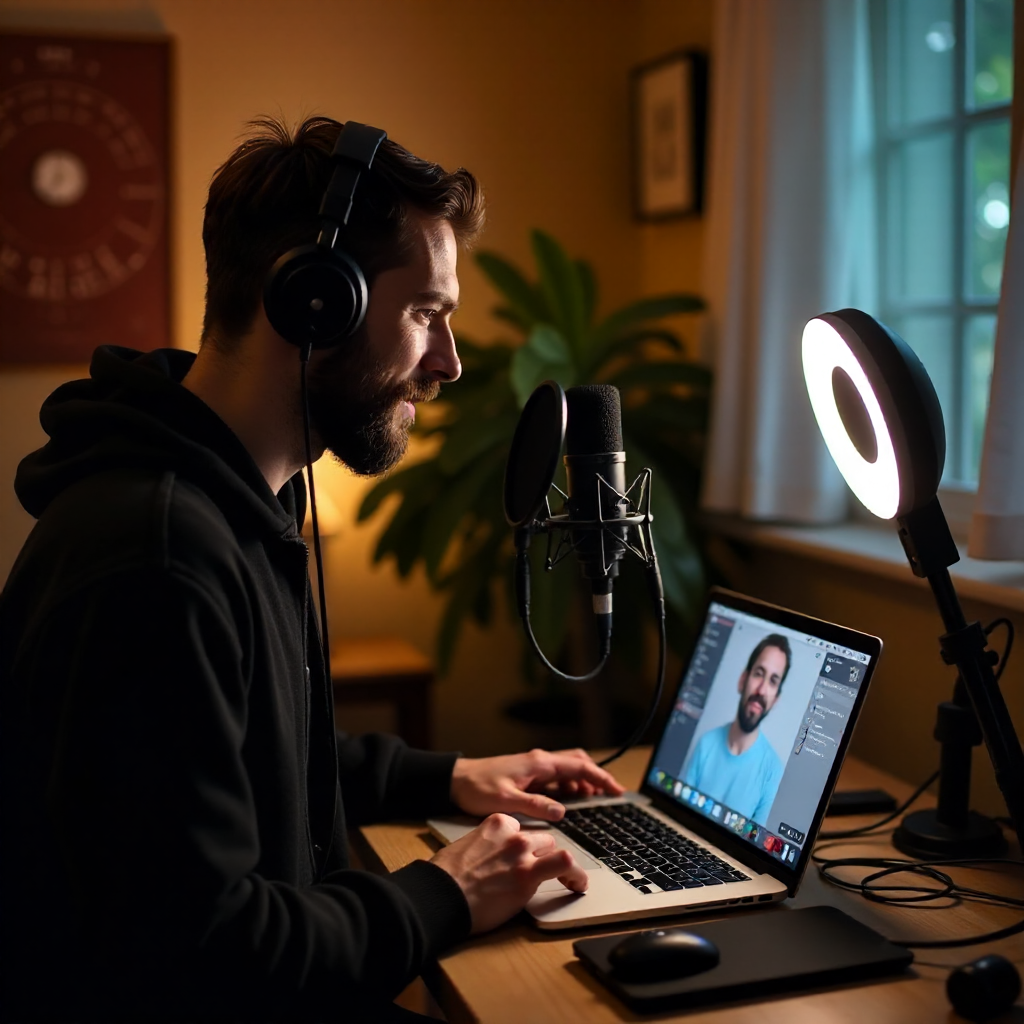
Smaller and independent artists often start with low-barrier platforms where they already have an existing following. The intimacy of a bedroom session — just an artist, an acoustic guitar, and a phone camera — can actually be a selling point. Fans appreciate the unfiltered access.
Mid-tier and established artists tend to invest in dedicated streaming setups: multi-camera rigs, professional audio interfaces, lighting grids, and sometimes full stage builds. Some partner with production companies that specialize in live stream concerts, handling the technical side while the artist focuses on performing.
A growing category is the dedicated virtual venue — platforms built specifically for ticketed live stream events, complete with virtual lobbies, merch stores, and post-show content. These give artists more control over the experience and the revenue than broadcasting through a free social media platform.
Monetization: How Artists Make Money from Virtual Shows
Artists can generate real revenue from virtual concerts through several models, and most successful live streamers combine more than one. The days of treating online performances as purely promotional are largely over.
Ticketed live streams are the most direct model. Fans purchase access to a specific show, just as they would buy a concert ticket. Prices vary widely — from a few dollars for an indie artist's intimate session to premium pricing for a major production — but the economics work because there's no venue capacity limit.
Tipping and virtual gifting during a stream allows fans to send money in real time, often tied to a shout-out or acknowledgment from the artist. This works especially well for smaller, more interactive shows where the performer can respond personally.
Pay-per-view streaming works similarly to ticketing but is often used for one-off events with higher production value — a special album release show, a reunion performance, or a holiday concert. The exclusivity justifies a higher price point.
Beyond direct payments, artists integrate merchandise sales into their streams, with links to limited-edition items available only during the show window. Sponsorships from brands relevant to the artist's audience add another revenue layer. Some artists offer tiered subscription access, where paying subscribers get early entry, backstage content, or discounted tickets to future streams.
The Fan Experience: What Makes Virtual Concerts Engaging
The best virtual concerts don't just replicate a physical show on a screen — they use features unique to the live streaming format to create something different. Interactive elements are what separate a compelling virtual concert from simply watching a recording.
Live chat is the most basic version of this, but when artists actually read and respond to comments mid-show, it creates a genuine back-and-forth that no arena concert can match. Fans in different countries suddenly share the same digital space, reacting together in real time.
Virtual meet-and-greets — video calls between the artist and a small group of fans before or after the show — have become a popular premium add-on. For many fans, a five-minute conversation with their favorite musician is worth more than the concert ticket itself.
Some platforms allow real-time emoji reactions that float across the screen, creating a visual sense of collective energy. Others let fans request songs, vote on setlists, or participate in Q&A segments. These features tap into something that physical concerts rarely offer: genuine participation.
The trade-off is that the energy of a physical crowd — the shared physical presence, the sound system you feel in your chest — doesn't translate through a screen. Artists who understand this lean into what streaming does well rather than trying to imitate what it can't replicate.
Hybrid Events — Blending Physical and Virtual Performances
Hybrid events combine a live in-person performance with a simultaneous live stream, giving artists the best of both formats at once. A band plays to a venue audience while a production team broadcasts the show to online viewers who purchased virtual tickets.
This model has real strategic value. Artists don't have to choose between their local audience and their global one. A sold-out club show in one city can reach thousands of additional fans worldwide on the same night, generating revenue that the physical venue alone couldn't provide.
Production complexity is the main challenge. Running a quality live stream alongside a physical show requires dedicated technical staff — someone focused entirely on the stream while the live crew handles the in-room experience. Audio mixing for streaming and for a room are different disciplines, and cutting corners on the stream side frustrates online attendees.
When executed well, though, hybrid events create a tiered experience. In-person attendees get the physical show. Online attendees get multiple camera angles, clean audio, and interactive features the venue crowd doesn't have. Both groups feel they got something worth paying for.
The Future of Virtual Concerts in the Live Streaming Landscape
Virtual concerts are moving toward more immersive, personalized experiences as technology continues to develop. The format is not standing still.
Spatial audio and higher-resolution streaming are already raising the quality ceiling for what online audiences can experience. As these technologies become standard rather than premium, the gap between watching at home and being in a venue will continue to narrow in meaningful ways.
Extended reality — blending live performance with virtual environments — is an area where early experiments are happening. Artists have performed inside fully rendered digital worlds, with avatars and visual effects that would be impossible to stage physically. Whether this becomes mainstream or remains a novelty depends on how accessible the technology becomes for both creators and viewers.
Fan engagement will likely grow more sophisticated. The global audience reach that live streaming enables is already reshaping how artists think about their careers — an independent musician with a dedicated international following can build a sustainable income from virtual shows without ever signing to a major label or booking a world tour.
What seems clear is that virtual concerts are no longer a substitute for something else. They've become a format in their own right, with their own economics, their own aesthetics, and their own audience expectations. Artists who treat them that way — rather than as a lesser version of touring — are the ones building something that lasts.
Frequently Asked Questions
Do virtual concerts cost money to attend?
Some do, some don't. Many artists stream free shows on social platforms, while others sell tickets to premium events through dedicated streaming services. Ticketed virtual concerts typically range from a few dollars to $30 or more, depending on the artist and production scale.
Can artists make a living from live streaming performances?
Yes, though it typically requires building a consistent audience and using multiple revenue streams — tickets, tipping, merchandise, and subscriptions. Independent artists with engaged followings have built sustainable incomes entirely through virtual performances.
What equipment do artists need to host a virtual concert?
At minimum: a reliable internet connection, a decent camera (even a smartphone works), an audio interface, and a microphone. More polished productions add lighting, multiple cameras, streaming software, and dedicated broadcast hardware. The entry bar is genuinely low — quality scales with budget.
Are virtual concerts as engaging as in-person shows?
They're engaging in different ways. The physical energy of a live crowd doesn't translate, but interactive features like live chat, real-time reactions, and virtual meet-and-greets create intimacy that in-person shows rarely offer. Many fans find both formats valuable for different reasons.
How do fans interact during a live-streamed concert?
Through live chat, virtual tipping, emoji reactions, song request features, and — for premium ticket holders — direct video interactions like meet-and-greets. The level of interactivity depends on the platform and how actively the artist engages with the audience during the show.